

CLICK on the GREY tab below to see the topic content.
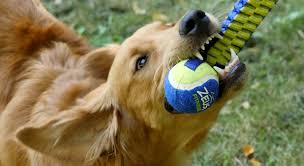
All dogs can LOVE tugging.
It is a valuable tool that will
enhance your training and your dog’s focus.
Teaching tug … Why do I like TUG so much? While giving treats are great for some activities, a dog can eat a treat while looking at and thinking about something else. However, it is harder for a dog to play tug while thinking about ANYTHING else. In addition, playing tug can last for a longer period of time, can relieve stress, and can really get your dog energized.
Playing with your dog is not difficult but sometimes takes patience and persistence. When learning how to play with your dog, add tapping your dog with your feet or hands, touch their little toes or tweak their tail. Make tugging a great game.
We will get into all MY games and Drills I use to teach tugging, but before beginning TUG training with your dog, take the time to review the foundation games, the “Cookie Toss” and “Get It Games“. These games are foundations to TUG.
If you are currently having focus issues with your dog, please read the Daily Reminders/Working for a Living. In many instances adjusting home-life helps overall attitude and desire of a dog.
TUG GAME – Make the Toy COME TO LIFE
Making the toy come to “life” is a great way to build desire in playing with toys. When playing this game with your dog, act as if the toy is a “live” squirrel. Think for a moment how a squirrel would move and dash around trying to escape your dog’s gasp. Make your toy come to life and become a squirrel.
Goal – Teaching a new and exciting game to build enthusiasm to tug and or engage and to build and solicit excitement in a toy.
What You Need
|
 |
TUG GAME – Make the Toy COME TO LIFE Reminders:

- Hold your dog’s collar as you toss the toy that is on a string onto the floor and when your dog is interested and wanting to go for the the toy, release your dog with “GET IT!”
- Move the toy by using the string to pull the toy away from your dog in a teasing fashion while keeping it on the floor.
- When your dog first starts engaging with the toy, resist the urge to tug, rather let your dog pull/drag you around as you praise for his effort.
- Chasing or pouncing on or at the toy as engagement! Praise!
- DO NOT put rules on the game if your dog is just learning. I.e. I do not ask for my dog to “out” the toy. Instead, I take the toy out of my dog’s mouth.
- As your dog becomes more and more insistent about chasing and grabbing the toy, occasionally play “keep away” a little longer, making him even more persistent about grabbing the toy when it is within his reach.
- If your dog should grab the toy and start tugging. GO with your dog as he pulls on the toy. That is, let him drag you around. Tell him how strong he is and feed his ego. :>)
- Keep your play session short and always stop when your dog’s excitement is peaking, and he wants to play more. Tease your dog while putting the toy up when your session is over.
YOUR ASSIGNMENT
TUG – Come to Life game.
-
- With your dog at your side, excite your dog before releasing him to the toy (Ready! Ready!).
- Toss the toy that is on a string onto the floor and move it around slowly as you hold onto the line.
- When your dog is interested and wanting to go for the the toy, release your dog with “GET IT! command”
- Play “keep away” for a couple of seconds, then let your dog “win” and catch the toy. When letting your dog “win”, just slow the toy, don’t stop it totally. Keep it fun and let your dog think he is doing the work.
- When your dog first starts engaging with the toy, resist the urge to tug, rather let your dog pull/drag you around as you praise for his effort. Chasing or pouncing on or at the toy as engagement! Praise!
- If your dog should grab the toy and start tugging. GO with your dog as he pulls on the toy. That is, let him drag you around. Tell him how strong he is and feed his ego. :>)
- Keep your play tug session short and always stop when your dog’s excitement is peaking, and he wants to play more. Tease your dog while putting the toy up when your session is over.
COMMON ERRORS – Handlers Make
- Your dog will not try to chase or go for the toy. Use the slower motion of the toy if needed to elicit prey drive or a soft pocket that holds super high value treats.
- No matter what you try, your dog is not interested in the toy. Make sure your dog is hungry for your attention before starting the game. Pick up all the toys around your house, put him in a crate for an hour or two and isolate him from other people and dogs in the household.
- Your dog starts to play with the toy, but loses interest. Keep your session short or better yet switch out to a different toy during your session. Variety is the spice of life. BEWARE of asking your dog to play and letting him quit and giving up making the tug happen. BE PERSISTENT!
Next, Sly demonstrates the toy on a string. Note, when he adjusts the toy in his mouth, I take the opportunity to yank it from him and then tease him. This helps build enthusiasm to grab and hold on to the toy. Rip even tries to get in on the action. I do not ask Sly to release the toy, but I get it out of his mouth and walk away teasing him. Yes, he will be WANTING to grab that toy to keep next time.
Use the KK game INSTEAD of just handing your dog a treat. This week we add a progression to our KK game. The treat will become more rewarding, and your dog will stay ENGAGED with you for a longer period of time.
GOAL – To continue to build and grow the KrazyKookie game. This week is all about teaching your dog to chase your treat hand faster and be able to switch back and forth between hands. This in turn will build Desire & Focus!
KK Reminders:

- Move your treat hand slowly so your dog can CATCH the treat. Let him think he is doing all the work.
- As your dog learns the game, keep your hand going at a speed that your dog can easily follow. This will give your dog confidence and help the desire to chase.
- Use treats that are of high value to your dog and something he can eat quickly.
- Keep your dog engaged before and after the game. Create the HABIT of staying engaged and focusing on you.
YOUR ASSIGNMENT
- KK Repeats is the progression.
- Have treats in both hands with one hand behind your back.
- As your dog chases and catches a treat in one hand, immediately pick up the game with a treat in your opposite hand.
- Your dog, then chases the second treat as you are getting a third treat in your free hand, etc.
- Add KK in to all training sessions randomly rewarding with the KrazyKookie game.
- REPEATS is the name of the game this week. Make sure you “LET your dog catch” your hand hand rather than stopping and giving treat to dog. Something NEW to add on next week.
COMMON ERRORS – Handlers Make
- Moving the treat hand too quickly when first teaching the game. As your dog learns the game, keep your hand going at a speed that your dog can easily follow it. This will give your dog confidence and help the desire to chase. Only speed up the treat hand once your dog is engaged and loves the game.
- Stopping the treat hand and handing the dog the treat. This game is all about YOUR DOG doing the work. Instead, slow your treat hand so your dog can “catch” the treat hand.
- Not using appropriate treats. Use treats that are soft and of high value to your dog. We are looking for your dog to eat quickly in order to get back to the game.
Two skills that are at the beginning of a great performance or training session are when you GET your dog out of the crate and PUT on his leash. Face it, at some point in all dog venues (obedience, rally, agility, nose work, etc.), you will be required to take your dog out of a crate and put on his leash as well as take off his leash once in the ring. These skills are perfect opportunities to work on your dog focusing on you. If you have your dog’s attention from the beginning, he will be ready to go to the ring and start the performance remaining focused on you. This week we start Focus coming out of the crate.
GOAL – to teach your dog instant focus the minute he comes out of the crate. Anytime your dog exits a crate, he focuses on your face and gives you 100% attention. The START of the Focus HABIT!
Focus Out of Crate Reminders:
- Use a crate that will be in your home, training area,
 or show . Either hard or soft crates that are big enough for your dog to easily exit.
 - Use soft treats and a location with little to no distractions.
- If training a young puppy, attach a leash to the puppy’s collar when putting him into the crate before the training session.
- Use a long visible treat that is easy to see, such as white string cheese and put the treat in your mouth, so that it is hanging out of your mouth and visible to your dog.
- Take your dog’s collar as he comes out of the crate staring up at your face/treat.
- PRAISE and feed him a few treats and repeat the process a few times.
YOUR ASSIGNMENT
Focus Out of Crate
- Get your crate, long treats and your dog in a location with little to no distractions.
- If training a young puppy, attach a leash to the puppy’s collar when putting him into the crate before the training session.
- With long visible treat hanging from your mouth and your dog in the crate, point to the visible treat with your free hand while you open the crate door so your dog will look at your face.
- Release your dog from the crate and take your dog’s collar as he comes out of the crate staring up at your face/treat.
- PRAISE and feed him a few treats and repeat the process a few times.
COMMON ERRORS – Handlers Make
- Your dog keeps bolting out of the crate. Make sure that you close the crate door quickly if your dog tries to exit before your release is given. Ideally, you want to see your dog move back from the door a little bit when you bend down and put your hand on the crate door to open it. This is a signal to you that he understands he needs to wait before coming out.
- Your dog will not look at your face. Hang a strip of string cheese out of your mouth so your dog can easily see it. Kneel down if needed. Verbally praise your dog while he is looking at your face. Point to the cheese/treat to entice him to look at your face. Make the cheese shorter in length and wean off pointing to the treat as soon as your dog is confidently looking at your face.
- No matter what, your dog keeps looking down as he comes out of the crate. Check to see if there is a lip on the crate that your dog has to step over it or duck his head under the lip to exit. Make sure the crate is big enough that your dog can easily step out while teaching this skill.
Karrde is next in the video. He has had some training on this skill, but it is not complete. He is looking down at lip of the crate as he is coming out. This is something I will watch and possibly even change to a different crate so he can remain focused on my face as he comes out of his crate.

K9 Focus – Unleash the Focus 1 – Week 2
Before planning your training session:
- Take into consideration, the Level your dog is currently performing at in training. Simplify if needed.
- Post Questions or 1-3 minute of VIDEO on the FaceBook group.
- In order for you and others to get the MOST out this class, it is important that everyone participate in some way with either questions, comments and or videos.
Below are training session ideas for the week. Make your training plan, write it down, and after make notes after of successes and results. All the skills this week and be done in your home or yard. :>)
TRAINING SKILLS THIS WEEK
KK Repeats is the progression.
- Have treats in both hands with one hand behind your back.
- As your dog chases and catches a treat in one hand, immediately pick up the game with a treat in your opposite hand.
- Your dog, then chases the second treat as you are getting a third treat in your free hand, etc.
- Add KK in to all training sessions randomly rewarding with the KrazyKookie game.
- REPEATS is the name of the game this week. Make sure you “LET your dog catch” your hand rather than stopping and giving treat to dog. Something NEW to add on next week.
- Add in to all training sessions randomly rewarding with the KrazyKookie game. REPEATS is the name of the game this week. Make sure you “LET your dog catch” your hand rather than stopping and giving treat to dog. Something NEW to add on next week.
TUG – Come to Life game.
- With your dog at your side, excite your dog before releasing him to the toy (Ready! Ready!).
- Toss the toy that is on a string onto the floor and move it around slowly as you hold onto the line.
- When your dog is interested and wanting to go for the the toy, release your dog with “GET IT! command”
- Play “keep away” for a couple of seconds, then let your dog “win” and catch the toy. When letting your dog “win”, just slow the toy, don’t stop it totally. Keep it fun and let your dog think he is doing the work.
- When your dog first starts engaging with the toy, resist the urge to tug, rather let your dog pull/drag you around as you praise for his effort. Chasing or pouncing on or at the toy as engagement! Praise!
- If your dog should grab the toy and start tugging. GO with your dog as he pulls on the toy. That is, let him drag you around. Tell him how strong he is and feed his ego. :>)
- Keep your play tug session short and always stop when your dog’s excitement is peaking, and he wants to play more. Tease your dog while putting the toy up when your session is over.
FOCUS Out of Crate
- Get your crate, long treats and your dog in a location with little to no distractions.
- If training a young puppy, attach a leash to the puppy’s collar when putting him into the crate before the training session.
- With long visible treat hanging from your mouth and your dog in the crate, point to the visible treat with your free hand while you open the crate door so your dog will look at your face.
- Release your dog from the crate and take your dog’s collar as he comes out of the crate staring up at your face/treat.
- PRAISE and feed him a few treats and repeat the process a few times.